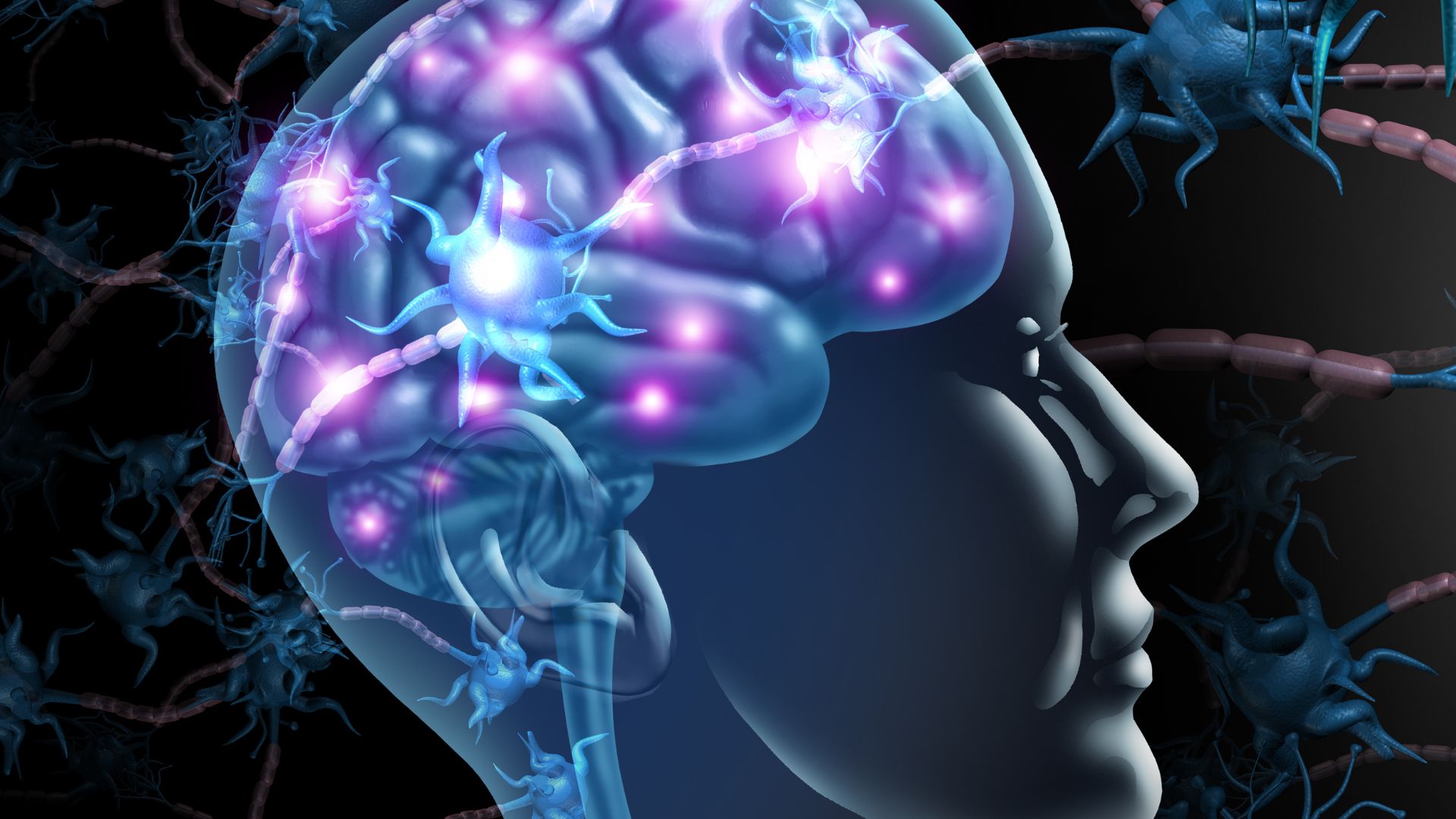
Stroke is one of the leading causes of serious disability and death in the United States. It occurs when blood flow to part of the brain is blocked or when a blood vessel in the brain ruptures. When the brain does not receive enough oxygen and nutrients, brain cells begin to die within minutes. Quick recognition and immediate action are essential to protecting brain function and improving the chances of recovery. Having CPR Certification can help individuals respond effectively when someone experiences a medical emergency involving stroke symptoms or loss of consciousness.
While CPR is most commonly associated with cardiac arrest, the ability to recognize medical emergencies and respond quickly is also important when someone is experiencing a stroke. In certain cases, a stroke may lead to breathing problems or cardiac arrest, which would require immediate CPR. Understanding how these emergencies are connected helps individuals respond more confidently and effectively during critical moments.
Learning how to recognize stroke symptoms and knowing when to begin emergency care can help protect the brain and potentially save a life.
Understanding What Happens During a Stroke
A stroke occurs when blood flow to part of the brain is interrupted. This interruption prevents oxygen and nutrients from reaching brain cells. Without oxygen, brain tissue begins to suffer damage very quickly.
There are two main types of strokes:
- Ischemic stroke, which occurs when a blood clot blocks a blood vessel in the brain
- Hemorrhagic stroke, which occurs when a blood vessel in the brain ruptures and causes bleeding
Both types of strokes require immediate medical attention. The longer the brain is deprived of oxygen, the greater the risk of permanent damage.
In severe situations, a stroke can cause a person to lose consciousness or stop breathing. If this occurs, CPR may be required to help maintain oxygen circulation until emergency medical professionals arrive.
Individuals who have completed CPR Certification are trained to recognize when someone is unresponsive and begin lifesaving care if necessary.
Recognizing the Warning Signs of Stroke
One of the most important steps in responding to a stroke is recognizing the symptoms quickly. Early recognition allows emergency services to be contacted immediately so that treatment can begin as soon as possible.
A common way to remember stroke warning signs is the FAST method:
- Face drooping on one side of the face
- Arm weakness or numbness
- Speech difficulty or slurred speech
- Time to call emergency services immediately
Other symptoms may include:
- Sudden confusion
- Severe headache with no known cause
- Trouble seeing in one or both eyes
- Difficulty walking or loss of balance
When these symptoms appear, immediate medical attention is necessary. Quick action can significantly reduce brain damage and improve the chances of recovery.
How CPR May Become Necessary During a Stroke
Although CPR is primarily used during cardiac arrest, it may become necessary during a severe stroke if the person stops breathing or loses a pulse.
In rare cases, a stroke can disrupt the brain’s ability to control breathing and heart function. If a person becomes unresponsive and stops breathing, CPR should begin immediately while someone calls emergency services.
Chest compressions help maintain blood circulation to the brain and vital organs until professional medical care is available.
People with CPR Certification are trained to recognize these situations and respond quickly by performing chest compressions and coordinating emergency assistance.
The Critical Role of Oxygen in Brain Survival
The brain requires a constant supply of oxygen to function properly. Even a brief interruption in oxygen delivery can lead to brain damage.
During cardiac arrest or breathing failure, oxygen circulation stops. CPR helps restore partial blood flow by manually pumping blood through chest compressions.
These compressions help deliver oxygen to the brain and other organs until the heart can be restarted or emergency responders arrive.
Understanding the relationship between oxygen, circulation, and brain health helps explain why CPR plays such a vital role during medical emergencies.
Maintaining CPR Certification ensures that individuals understand how to provide this lifesaving support when it is needed.
Why Immediate Action Matters
Time is the most important factor when responding to stroke symptoms. Medical professionals often say that every minute counts because brain cells begin to die quickly without oxygen.
The faster emergency services are contacted and treatment begins, the greater the chances of limiting permanent damage.
Immediate action can include:
- Recognizing stroke symptoms
- Calling emergency services immediately
- Keeping the person calm and still
- Monitoring breathing and responsiveness
- Beginning CPR if the person stops breathing
Responding quickly during these situations can make a significant difference in the outcome.
Individuals who maintain CPR Certification are better prepared to recognize when immediate action is required.
The Importance of AED Devices in Cardiac Emergencies
If a stroke leads to cardiac arrest, an automated external defibrillator may be required. AED devices analyze heart rhythm and deliver an electrical shock when necessary to restore normal heart activity.
Many public buildings, schools, gyms, and workplaces now keep AED units available for emergencies. These devices provide voice instructions that guide users through the process step by step.
Using CPR together with AED equipment significantly increases survival chances during cardiac arrest.
CPR training programs teach participants how to recognize when AED devices should be used and how to operate them safely.
Individuals who complete CPR Certification are prepared to combine CPR and AED use during emergencies when necessary.
Staying Calm During a Medical Emergency
Witnessing a stroke or cardiac emergency can be frightening. People nearby may feel overwhelmed or unsure how to respond.
Training helps individuals stay calm and focused during these situations. CPR courses provide step by step instruction on how to assess the situation, call emergency services, and begin lifesaving care.
Remaining calm allows responders to think clearly and provide effective assistance. It also helps reassure the person experiencing the emergency and those around them.
Practicing these skills during training builds confidence and helps individuals respond more effectively during real emergencies.
CPR Training Strengthens Community Preparedness
Communities become safer when more individuals understand how to respond during medical emergencies. Bystanders who recognize stroke symptoms and know when to begin CPR can play an important role in saving lives.
CPR training programs help spread lifesaving knowledge throughout workplaces, schools, and neighborhoods.
When individuals maintain CPR Certification, they contribute to a community network of trained responders who are prepared to act during emergencies.
Encouraging CPR education helps ensure that more people are ready to help when seconds matter most.
Protecting Brain Health Through Awareness
Understanding the signs of stroke and knowing how to respond can protect brain health and reduce the risk of long term disability.
Public awareness campaigns often emphasize the importance of recognizing symptoms early and calling emergency services immediately.
CPR training complements this awareness by teaching individuals how to respond if a stroke leads to breathing or cardiac complications.
Being prepared with both knowledge and practical skills allows individuals to respond effectively during critical medical situations.
Final Thoughts on CPR and Stroke Emergencies
Stroke is a serious medical emergency that requires immediate attention. Recognizing symptoms early and contacting emergency services quickly can help protect brain function and improve recovery outcomes. In severe cases where breathing or heart function stops, CPR becomes essential to maintaining oxygen circulation.
Completing CPR Certification provides individuals with the training needed to recognize emergencies, perform chest compressions, and assist others until professional medical help arrives. These lifesaving skills can make a significant difference during critical moments when the brain is at risk.
By learning CPR and understanding stroke symptoms, individuals become better prepared to protect the health and safety of the people around them.
Frequently Asked Questions
Can CPR help someone having a stroke?
CPR is not typically required for most strokes, but it becomes necessary if the person stops breathing or loses a pulse.
What is the first thing to do if someone shows signs of a stroke?
Call emergency services immediately and monitor the person while waiting for medical professionals to arrive.
Why is quick action important during a stroke?
Brain cells begin to die within minutes without oxygen. Rapid treatment helps reduce brain damage and improves recovery outcomes.
Does CPR training teach stroke recognition?
Many CPR courses include information about recognizing medical emergencies such as strokes and how to respond appropriately.