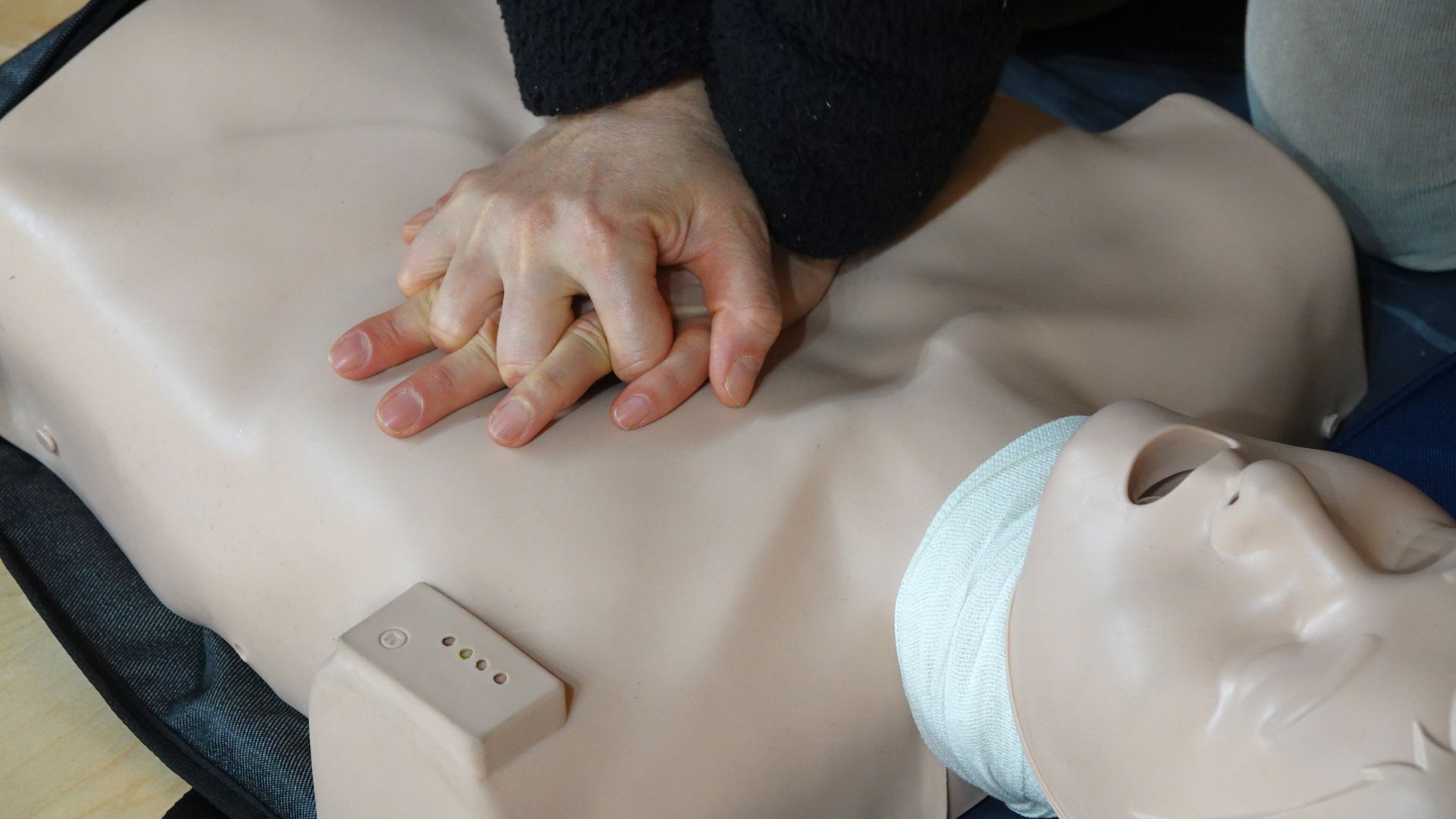
In a growing and diverse community like Laurel, professionals across many industries are expected to be prepared for emergencies. Whether you work in healthcare, public safety, education, or fitness, the ability to respond quickly to life-threatening situations is a critical skill.
Basic Life Support, commonly known as BLS, is more than standard CPR training. It is designed for individuals who may need to respond to emergencies as part of their job. Enrolling in an in-person CPR Certification course is the first step, but for many professionals in Laurel, advancing to AHA BLS certification is what truly prepares them for real-world situations.
What AHA BLS Certification Actually Covers
AHA BLS certification goes beyond basic CPR by focusing on high-quality, team-based emergency response. It is specifically designed for professionals who may be responsible for patient care or emergency intervention.
BLS training includes:
- High-quality CPR for adults, children, and infants
- Use of automated external defibrillators (AEDs)
- Airway management and breathing support
- Team dynamics during resuscitation efforts
Unlike general CPR courses, BLS prepares individuals to work in coordinated environments where multiple responders are involved.
Who Needs AHA BLS Certification in Laurel
One of the most common questions is who actually needs BLS certification. The answer depends on your role and level of responsibility during emergencies.
Healthcare Professionals
BLS is primarily designed for healthcare providers and is often required for employment.
This includes:
- Doctors and physicians
- Nurses and nursing students
- EMTs and paramedics
- Hospital and clinical staff
Healthcare employers require BLS certification because these professionals must be ready to respond immediately to patient emergencies.
Allied Health and Support Staff
Many roles that support healthcare delivery also require BLS certification.
These include:
- Medical assistants
- Dental professionals
- Physical and occupational therapists
- Home healthcare providers
These professionals often work directly with patients and may be the first to recognize or respond to emergencies.
Students Entering Healthcare Fields
If you are pursuing a career in healthcare, BLS certification is often required before clinical training begins.
This applies to:
- Nursing students
- Medical students
- Allied health program participants
Many programs require BLS certification as a prerequisite for hands-on clinical experience.
Public Safety and First Responders
Outside of healthcare, many public safety roles also require BLS certification.
These include:
- Firefighters
- Law enforcement officers
- Emergency response personnel
These professionals are often first on the scene and must be prepared to provide immediate care.
Other Professions That Benefit from BLS
While not always required, many professions in Laurel benefit from BLS training due to the nature of their work.
These include:
- Coaches and athletic trainers
- Childcare providers and educators
- Fitness instructors
- Lifeguards and recreational staff
These roles involve working with groups of people in active environments where emergencies can occur.
Why BLS Is Different From Standard CPR
Many people assume CPR certification and BLS certification are the same, but they are not.
The key differences include:
- BLS focuses on team-based response, not just individual action
- It includes more advanced airway and breathing techniques
- It is designed for professional environments, not just general knowledge
BLS is essentially CPR for professionals who need to perform at a higher level in emergency situations.
Why Employers in Laurel Require BLS Certification
Employers require BLS certification because it ensures a standardized level of training and preparedness.
BLS-certified professionals are trained to:
- Recognize life-threatening emergencies quickly
- Perform high-quality CPR consistently
- Work effectively as part of a response team
This level of training improves patient outcomes and reduces risk in professional settings.
The Importance of Team-Based Response
One of the most important aspects of BLS training is its focus on teamwork.
In real emergencies:
- Multiple responders are often involved
- Roles must be assigned quickly
- Communication is critical
BLS training prepares professionals to function effectively in these situations, which is especially important in hospitals and emergency settings.
Why Hands-On Training Is Essential
BLS is not just theoretical knowledge. It is a physical skill that must be practiced.
Hands-on training ensures:
- Proper compression depth and technique
- Accurate timing and rhythm
- Confidence in high-pressure situations
In-person training also provides real-time feedback, which helps correct mistakes and improve performance.
Choosing an in-person CPR Certification course ensures you build the foundation needed for effective BLS performance.
How Long BLS Certification Lasts
AHA BLS certification is typically valid for two years.
After that, professionals must complete a renewal course to maintain their certification.
This ensures that:
- Skills remain sharp
- Knowledge stays up to date
- Professionals are aligned with current guidelines
Why BLS Certification Matters in a Community Like Laurel
Laurel is home to a wide range of industries, from healthcare facilities to schools, fitness centers, and public services. This diversity means that emergencies can happen in many different environments.
Having more BLS-certified professionals in the community:
- Improves response times
- Increases survival rates
- Creates a safer environment for everyone
Prepared professionals make a measurable difference.
The Career Benefits of BLS Certification
Beyond safety, BLS certification also offers career advantages.
It can:
- Open doors to healthcare and emergency roles
- Meet job requirements for many positions
- Increase professional credibility
For many careers, BLS is not just helpful. It is required.
Why In-Person Training Is the Best Choice
While online options exist, in-person training provides the most complete preparation.
It offers:
- Hands-on practice
- Real-world scenarios
- Immediate instructor feedback
This ensures you are not just learning the material, but actually developing the skills needed to use it.
Building Confidence in High-Stress Situations
One of the biggest challenges in emergencies is hesitation. Even trained individuals may hesitate if they lack confidence.
BLS training builds confidence by:
- Reinforcing skills through repetition
- Simulating real-life scenarios
- Teaching clear, step-by-step responses
This confidence is what allows professionals to act quickly when it matters most.
Why More Laurel Professionals Are Getting Certified
As awareness grows, more professionals in Laurel are choosing to pursue BLS certification, even when it is not required.
They recognize that:
- Emergencies can happen anywhere
- Being prepared is a valuable skill
- Training can make a life-saving difference
This trend is helping create a more prepared and resilient community.
Final Thoughts on AHA BLS Certification in Laurel
AHA BLS certification is an essential credential for many professionals in Laurel. It goes beyond basic CPR to provide the skills, confidence, and teamwork needed to respond effectively in emergencies.
Whether you work in healthcare, public safety, education, or another field, BLS training ensures you are prepared to act when every second counts.
By starting with an in-person CPR Certification course and advancing to BLS certification, you build a strong foundation for life-saving skills that can make a real difference in your career and your community.
Frequently Asked Questions About AHA BLS Certification
Who needs AHA BLS certification?
Healthcare professionals, first responders, and many support roles require BLS certification for their jobs.
Is BLS different from CPR certification?
Yes, BLS includes advanced techniques and team-based response, while CPR is more basic.
How long does BLS certification last?
BLS certification is typically valid for two years.
Do non-healthcare professionals need BLS?
Not always, but many roles benefit from it, especially those involving public safety or physical activity.
Why is in-person training important?
It provides hands-on practice and builds confidence, which is critical in emergencies.
Can I take BLS training online?
Some programs offer blended learning, but in-person skills testing is required for certification.
Laurel’s Diverse Professionals