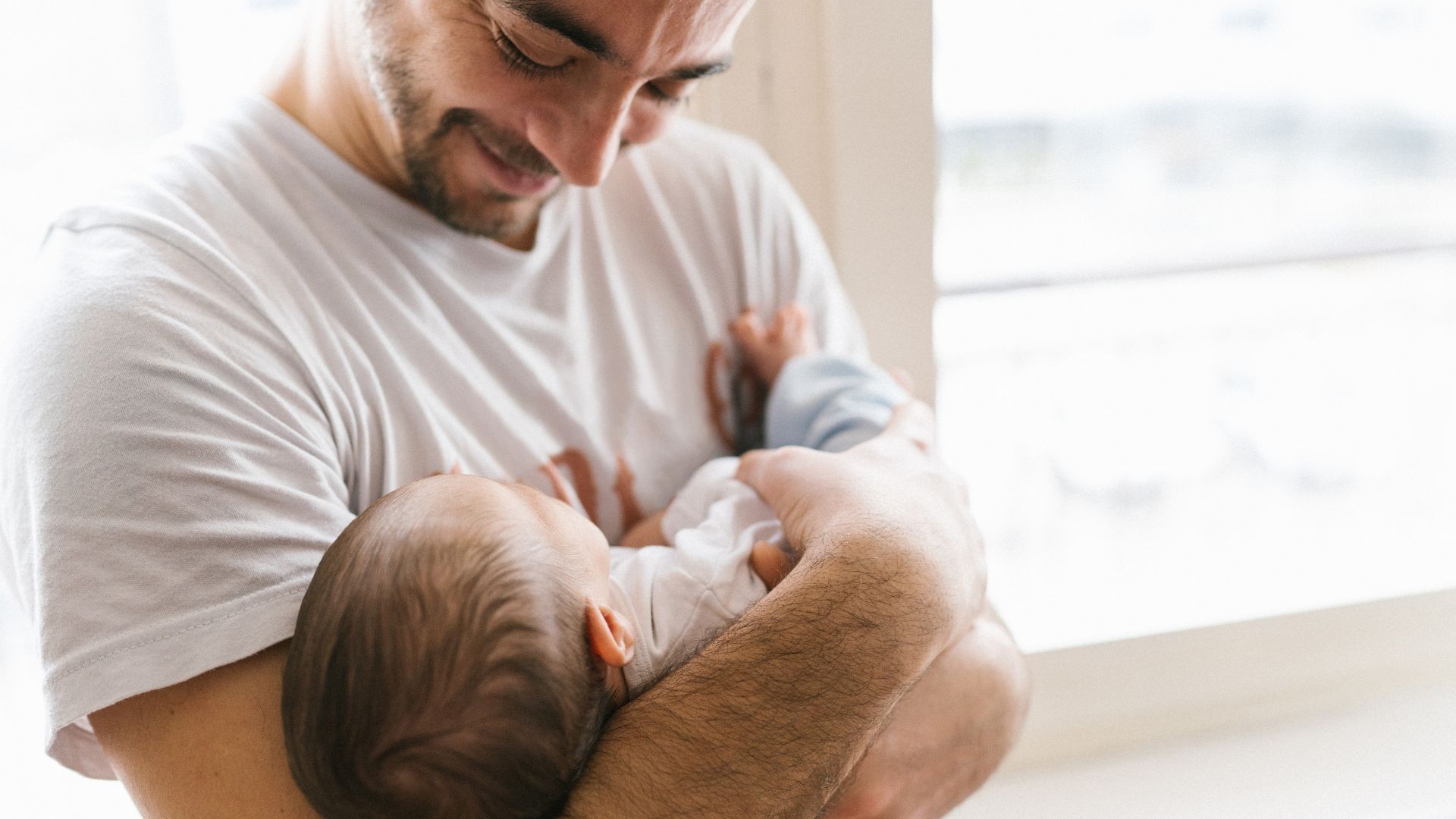
Bringing home a new baby is one of life’s greatest blessings, but it also comes with tremendous responsibility. Parents spend countless hours preparing nurseries, researching car seats, installing baby gates, and learning how to care for their newborn. While all of these preparations are important, one of the most valuable things a parent can do is learn infant CPR.
Emergencies involving babies often happen without warning. A child may choke during feeding, experience a breathing problem while sleeping, or suffer an unexpected accident during everyday activities. In those critical first moments, parents are usually the first people available to help. Having the knowledge and confidence to respond immediately can make an enormous difference while waiting for emergency medical services.
Through CPR Certification, Laurel parents can gain hands-on experience with infant CPR, choking relief, and other essential life-saving skills. The American Heart Association specifically encourages parents, families, and caregivers to learn infant CPR because many infant emergencies begin with breathing problems that require immediate action.
Learning these skills is not about expecting the worst. It is about being prepared to protect the people you love most.
Infant Emergencies Can Happen During Everyday Activities
Many parents imagine serious emergencies happening in unusual situations, but most infant emergencies occur during ordinary daily routines.
Common situations include:
- Feeding time
- Bath time
- Playtime
- Family gatherings
- Car rides
- Naptime
- Visits with grandparents
- Outdoor activities
Babies are naturally curious and constantly developing new abilities. As they grow, they begin exploring their surroundings by reaching for and placing objects in their mouths, increasing the risk of choking and other accidents.
Being prepared allows parents to respond calmly when unexpected situations arise.
Choking Is One of the Most Common Infant Emergencies
Infants have very small airways, making them especially vulnerable to choking.
Common choking hazards include:
- Grapes
- Hot dogs
- Hard candy
- Coins
- Buttons
- Batteries
- Small toys
- Pieces of household objects
Parents often do everything possible to eliminate hazards, but accidents can still happen.
Infant CPR certification teaches parents how to:
- Recognize choking symptoms
- Perform infant back blows
- Deliver chest thrusts
- Check for responsiveness
- Know when to call 911
The American Heart Association’s infant CPR guidance includes specific choking relief techniques designed for babies under one year old.
Infant CPR Is Different From Adult CPR
One of the biggest reasons parents should take a professional CPR course is that infant CPR differs significantly from adult CPR.
Key differences include:
- Compression depth
- Hand placement
- Rescue breathing technique
- Choking response methods
- Airway positioning
Many adults assume they can simply scale down adult CPR techniques, but babies require specialized care because of their unique anatomy.
Hands-on instruction through CPR Certification allows parents to practice proper infant CPR techniques using training manikins under instructor guidance.
Most Infant Cardiac Emergencies Begin With Breathing Problems
Unlike many adult cardiac arrests, infant emergencies often start because a baby cannot breathe properly.
Potential causes include:
- Choking
- Drowning
- Suffocation
- Respiratory illness
- Allergic reactions
- Trauma
The American Heart Association explains that infants usually have healthy hearts and often require CPR with rescue breaths because breathing difficulties frequently lead to cardiac arrest.
Knowing how to provide both compressions and rescue breaths can be critical during these emergencies.
Water Safety Is Important for Laurel Families
While many people associate drowning with pools or beaches, infants can drown in surprisingly small amounts of water.
Potential hazards include:
- Bathtubs
- Kiddie pools
- Buckets
- Decorative ponds
- Backyard pools
- Water tables
Drowning incidents are often silent and can occur in seconds.
Infant CPR training prepares parents to respond immediately if a child is removed from the water and is not breathing normally.
Quick intervention may help preserve oxygen flow while emergency responders are on the way.
Every Minute Matters
When an infant stops breathing, oxygen levels begin to fall rapidly.
Without immediate action:
- Brain function may be affected.
- Serious complications can develop.
- The baby’s condition can worsen quickly.
Emergency medical professionals provide excellent care, but they need time to arrive.
Parents who understand CPR can begin life-saving measures during those critical first moments when every second counts.
Grandparents and Caregivers Should Learn Too
Parents are not the only people responsible for a baby’s safety.
Many infants regularly spend time with:
- Grandparents
- Babysitters
- Daycare providers
- Nannies
- Aunts and uncles
- Family friends
The American Heart Association specifically recommends infant CPR education for parents, grandparents, and anyone involved in caring for a baby.
Many Laurel families choose to attend classes together so that multiple caregivers understand how to respond during emergencies.
CPR Training Helps Reduce Panic
Medical emergencies are emotional experiences, especially when they involve a child.
Without training, many people may:
- Freeze
- Feel overwhelmed
- Forget what to do
- Delay calling for help
Hands-on CPR classes provide opportunities to practice emergency scenarios in a controlled environment.
Students repeatedly work through:
- Infant CPR
- Choking response
- Rescue breathing
- Emergency assessments
This practical experience helps build confidence and muscle memory that can be invaluable during real emergencies.
Safe Sleep and CPR Go Hand in Hand
Parents spend a great deal of time learning safe sleep recommendations for newborns.
While prevention is extremely important, CPR training provides an additional layer of protection by teaching parents how to respond if a baby experiences a breathing emergency.
Courses often review:
- Airway assessment
- Rescue breathing
- Recognizing unresponsiveness
- Activating emergency medical services
Combining prevention with preparedness helps create a safer environment for infants.
Pediatric First Aid Complements CPR Skills
Many infant CPR programs also include important pediatric First Aid concepts.
Topics may include:
- Allergic reactions
- Burns
- Bleeding control
- Poisoning
- Falls
- Head injuries
The American Heart Association’s Heartsaver Pediatric First Aid CPR AED program is specifically designed for parents and others responsible for caring for infants and children.
Learning these additional skills helps parents prepare for a wide variety of situations.
Hands-On Training Builds Lasting Confidence
Reading articles and watching videos can introduce CPR concepts, but practical experience makes a tremendous difference.
Hands-on classes allow parents to:
- Practice compressions
- Perform rescue breaths
- Learn proper hand placement
- Work through emergency scenarios
- Receive instructor feedback
Many parents report feeling much more comfortable caring for their child after completing practical infant CPR training.
The confidence that comes from knowing what to do during an emergency can provide tremendous peace of mind.
CPR Skills Benefit the Entire Family
Although parents often take infant CPR classes for their newborn, the skills frequently become useful in many other situations.
CPR knowledge may help during emergencies involving:
- Older children
- Spouses
- Grandparents
- Friends
- Neighbors
The American Heart Association notes that many cardiac arrests happen at home, making family preparedness especially important.
Learning CPR helps create a safer environment for everyone.
Final Thoughts About Infant CPR Certification for Parents in Laurel
Becoming a parent means preparing for the unexpected, and few preparations are more valuable than learning infant CPR. Choking incidents, breathing emergencies, drowning accidents, and sudden medical crises can happen without warning, placing parents in the role of first responder.
Through CPR Certification, Laurel parents gain the practical skills, hands-on experience, and confidence needed to respond quickly when every second matters. While no one hopes to ever use these skills, knowing how to help during an emergency can provide peace of mind and potentially save a child’s life.
Investing a few hours in infant CPR training is one of the greatest gifts parents can give to their growing family.
Frequently Asked Questions About Infant CPR Certification for Parents in Laurel
When should parents learn infant CPR?
Many families choose to complete infant CPR training during pregnancy, but it is beneficial at any point before or after a baby arrives.
Is infant CPR different from adult CPR?
Yes. Infant CPR uses specialized techniques for compressions, rescue breathing, and choking response that are specifically designed for babies.
What should I do if my baby is choking?
If your baby cannot breathe, cry, or cough, begin infant choking procedures and call 911 immediately.
Do grandparents and babysitters need infant CPR training?
Absolutely. Anyone who regularly cares for an infant should know how to respond during an emergency.
Does infant CPR training include rescue breaths?
Yes. Infant CPR includes both chest compressions and rescue breaths because many infant cardiac emergencies begin with breathing problems.
Can infant CPR help during drowning emergencies?
Yes. CPR training prepares parents to respond if a baby is removed from the water and is not breathing normally.
Does pediatric CPR training also cover First Aid?
Many courses include instruction on choking, allergic reactions, burns, bleeding, and other common childhood emergencies.
Will infant CPR training make me feel more confident as a parent?
Many parents report feeling significantly more prepared and less anxious after completing hands-on infant CPR instruction.